What a 21-Point Annual HVAC Inspection Is Really Looking For
A look at what's actually happening during a residential HVAC service agreement visit, and why it catches problems before they turn into a breakdown.
September 5, 2026 · 3 min read
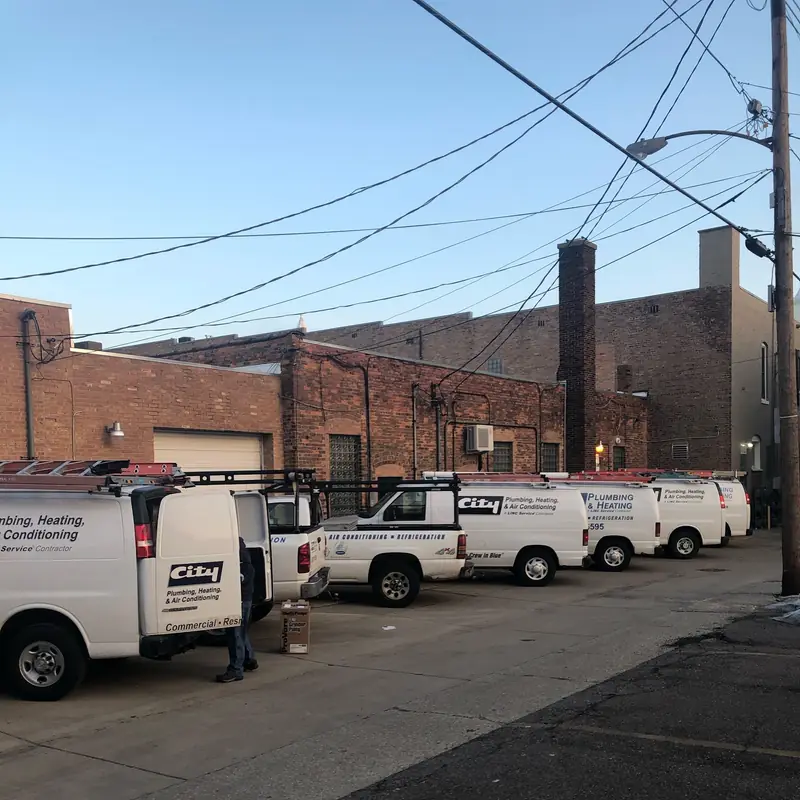
Our residential service agreement includes a twenty-one point inspection once a year, and most customers who sign up for it never actually see what happens during the visit, they're at work or dropping the kids off. Here's a real look at what a technician is checking and why each part of it matters.
The parts that keep you safe
On a furnace, the first things checked are the ones that matter most if they fail: the heat exchanger for cracks, the gas connections for leaks, and the venting to make sure combustion gases are actually leaving the house instead of finding their way back in. These aren't comfort items, they're safety items, and they're always checked before anything else on the list.
The parts that keep it running
- Electrical connections throughout the system, tightened and checked for wear, since loose connections are one of the most common causes of an unexpected shutdown.
- Refrigerant levels on an air conditioning system, checked against what the manufacturer specifies for that unit, not topped off automatically.
- Thermostat calibration, confirming the temperature it reports actually matches the temperature in the room.
- The condensate drain line, cleared of the algae and sediment that build up over a season and cause water damage if the line backs up.
- The blower motor and belt, checked for wear and proper operation, since a struggling blower is one of the quieter ways a system loses efficiency.
- Air filters, checked and replaced if needed, along with a look at whether the filter size and type actually suit the system.
- Ductwork, checked at accessible points for obvious leaks or disconnections that let conditioned air escape into a crawlspace or attic instead of the room it's meant for.
- Safety controls, including limit switches and pressure switches, tested to make sure they'd actually shut the system down if something went wrong.
What happens if something's found
If a technician finds something during the inspection, whether it's a part that's wearing out or a reading that's outside normal range, you'll hear about it that day, with an explanation of what it means and how urgent it actually is. Some things get fixed on the spot as part of the visit. Others get flagged as worth watching, or scheduled as a separate repair if parts need to be ordered. The inspection itself isn't a sales pitch, it's a genuine look at the equipment, and plenty of visits end with nothing more than a confirmation that everything's running the way it should.
Why it's worth doing every year, not every few
A lot of what's on that list wouldn't cause a total breakdown on its own. A slightly loose connection, a partly clogged condensate line, a thermostat reading two degrees off, none of those stop a system cold by themselves. But they compound. A system running with three or four small issues at once works harder than it needs to, which shortens its life and raises the electric or gas bill in ways that are easy to blame on the weather instead of the equipment. Catching each one on its own, once a year, is a lot cheaper than catching all of them at once when the system finally gives out on the coldest night of the year.
It's also how we catch the bigger problems early. A cracked heat exchanger found during a routine inspection, before it's failed outright, gives you time to plan a replacement on your own schedule. The same crack found because a carbon monoxide detector went off in January doesn't give you that choice.
What you get out of the visit
You get a technician who's been through the system end to end, not just the part that happened to break, and a straight report on what's fine, what's worth watching and what needs attention now. Commercial buildings get a version of this same discipline through our Linc Service partnership, scaled up for facility-wide maintenance rather than a single furnace or condenser, but the underlying idea is the same either way: check it before it fails, not after.
City Plumbing, Heating & Air Conditioning, (269) 983-6595
Call (269) 983-6595More articles
Why Pipes Freeze Where They Do in a Berrien County House
A guide to the exact spots in a Berrien County home where pipes freeze first, and what to do while you wait for a plumber.
Furnace or Boiler: What Actually Decides a Replacement
An honest look at what actually pushes a furnace or boiler from repair into replacement, including the years we'll tell you to run it one more winter.